I’ll never forget the first time my schnauzer, Max, started scratching like there was a jackpot buried in his fur—and how my panic led to an accidental deep dive into the world of dog food. Turns out, what goes in their bowls makes all the difference. Just like us, Schnauzers shine (literally, look at that coat!) when fueled with the right ingredients. In 2025, we have more options than ever—finding the best food isn’t just smart, it’s downright necessary for energy, health, and those model-worthy Schnauzer beards. Ready to transform your pup's diet—and maybe discover your own secret ingredient along the way? Let’s dig in!
Wild Card Winner: The Surprise of Novel Protein Diets (Why Duck Changed Everything for Max)
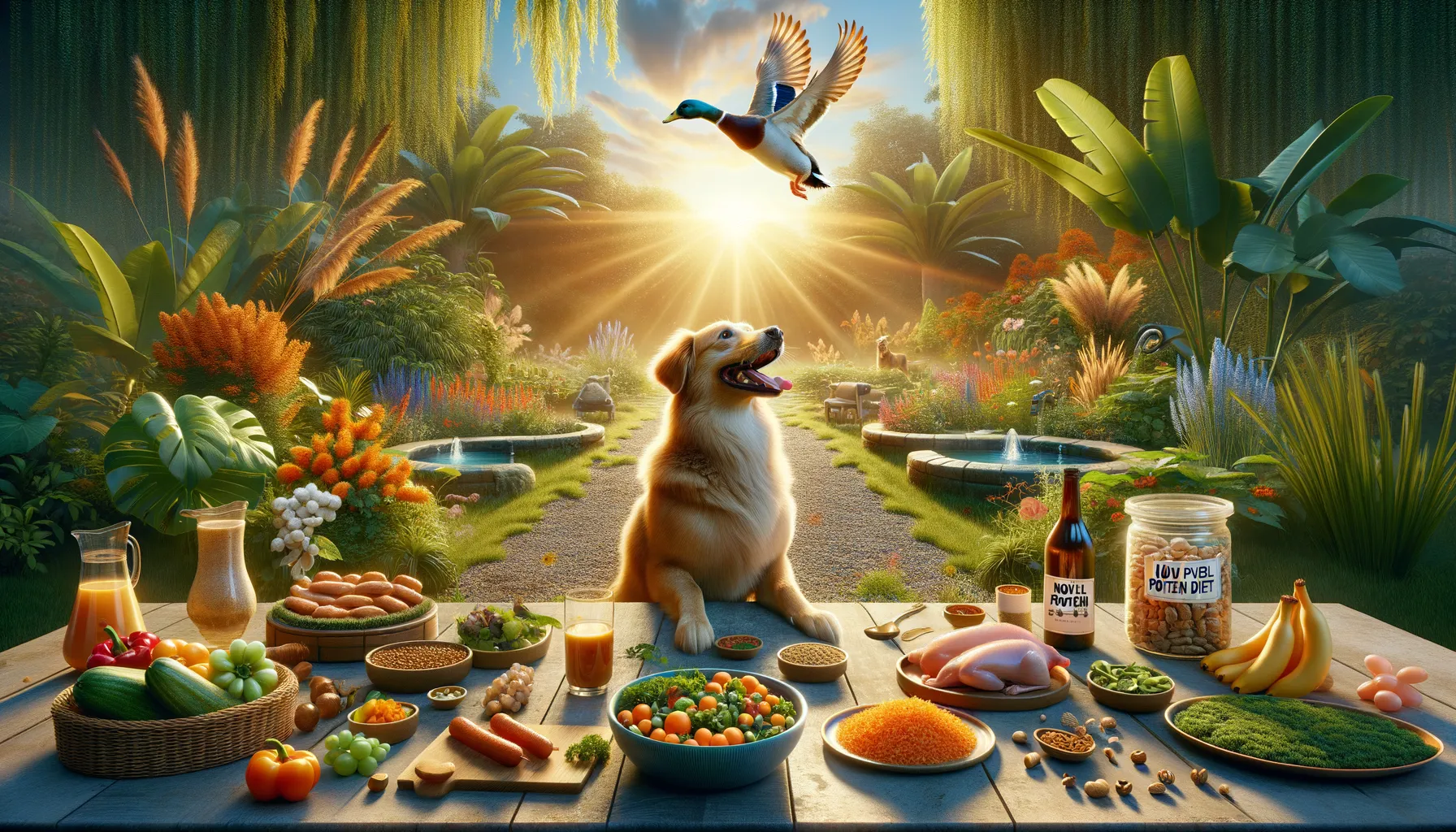
When it comes to finding the best dog food for Schnauzers—especially those with stubborn food allergies—novel protein diets are a true game-changer. Instead of common proteins like chicken or beef, these diets feature less typical options such as duck, venison, or fish. According to Dr. Jamie Richardson, DVM,
‘Novel proteins like duck and fish can make all the difference for allergy-prone breeds.’
Schnauzers are notorious for developing food sensitivities, particularly to mainstream proteins. In fact, over 60% of Schnauzer food allergies are linked to chicken and beef. That’s why I decided to try a duck-based, grain-free formula for my own pup, Max. Within just a few weeks, his constant scratching and red skin were gone. Even our groomer noticed—she complimented his shiny, healthy coat at our next visit!
- Key Features: Single-source, hypoallergenic protein (like duck), grain-free, minimal additives
- Benefits for Schnauzers: Reduces itching and hot spots, supports sensitive skin, and improves coat quality
- Pros: Excellent for allergy management, boosts energy, and is often easier to digest
- Cons: Can be pricier and harder to find than chicken-based foods
For Schnauzers with persistent allergies, a novel protein diet—especially one based on duck—can be the secret ingredient for a happier, healthier pup. Max’s transformation was proof that sometimes, the wild card really does win.
Grain-Free Dog Food: Hype, Hope, or the Holy Grail for Schnauzer Allergies?
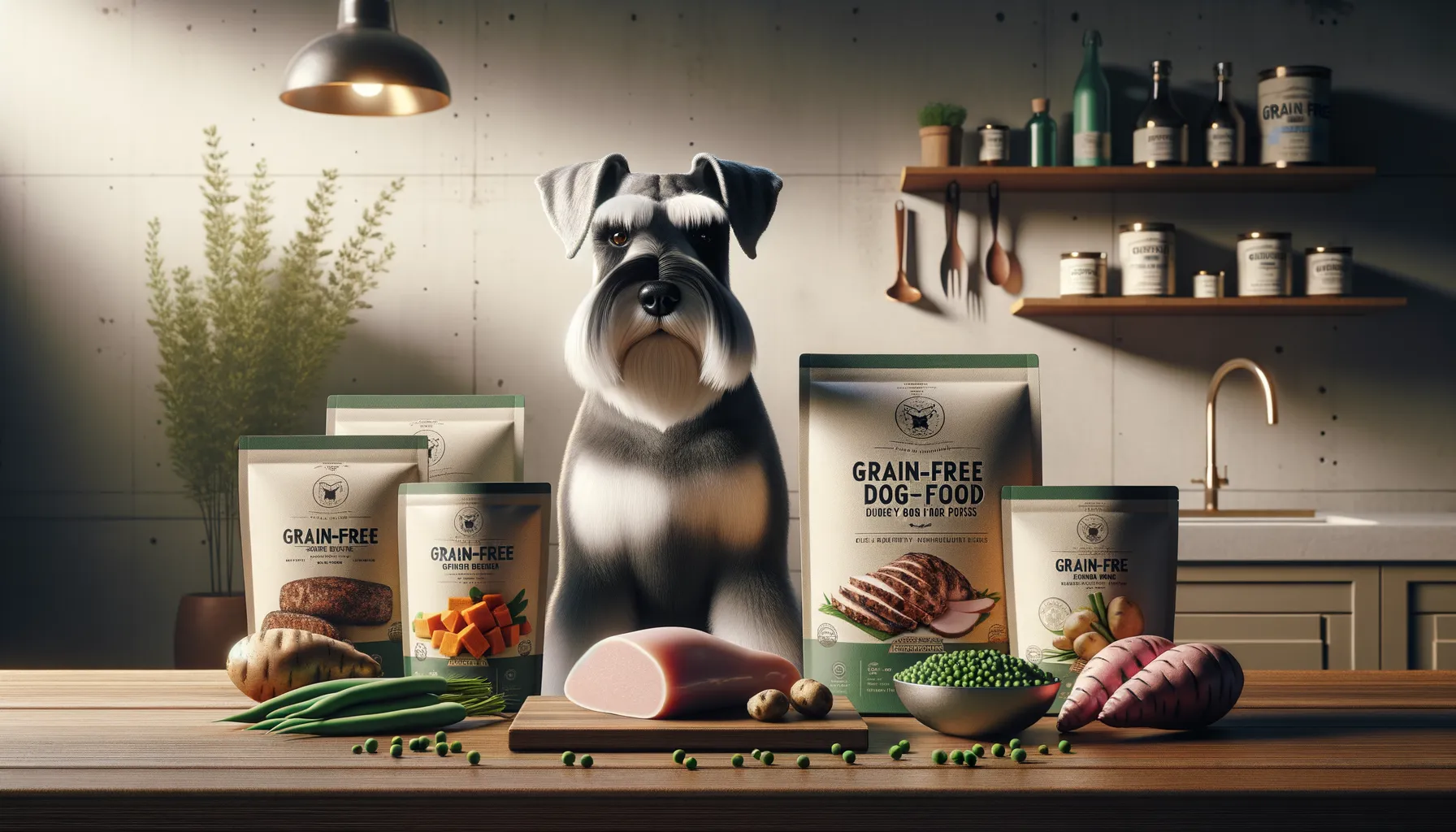
Walk down any pet food aisle in 2025 and you’ll spot a surge of grain-free dog food options. For Schnauzer owners, this trend is hard to ignore—especially if you’re battling digestive upsets or mysterious skin issues. While true grain allergies are rare (less than 10% of food allergens in Schnauzers), some pups, like my Max, seem to thrive on a grain-free, limited ingredient diet.
What sets these foods apart? Instead of rice or wheat, they often use sweet potato, pumpkin, or peas—ingredients gentler on sensitive tummies. For Schnauzers prone to gurgly stomachs or itchy skin, this switch can be a game-changer. After I swapped Max’s dry kibble to a grain-free formula, his stomach noises vanished and his coat looked shinier than ever. But here’s the catch: not all grain-free foods are created equal. Some rely heavily on legumes, which have sparked debate among vets about long-term heart health.
- Pros: Can ease digestive issues, may improve skin and coat, ideal for sensitive Schnauzers.
- Cons: Often pricier, legume-heavy recipes are controversial, and grain-free doesn’t always mean healthier.
‘Grain-free isn’t a magic bullet, but for the right dog, it can work wonders.’ — Dr. Katy Nelson, DVM
My advice? Read every label closely. Grain-free food helped Max, but vigilance is key—especially with dry kibble for Schnauzers. Balance and ingredient quality matter more than hype.
Tiny Beards, Big Needs: Choosing Schnauzer Puppy & Senior Dog Food
When it comes to schnauzer puppy food and schnauzer senior dog food, one size never fits all. I learned this firsthand with Max—his puppy energy was off the charts until the wrong food left him sluggish and dull. That’s when I realized: life-stage nutrition is everything for our bearded buddies.
Schnauzer puppies need food rich in DHA to support brain and eye development, plus 10-20% more calories than adults for healthy growth. The best schnauzer puppy foods are packed with high-quality proteins and essential fatty acids. I always look for formulas that highlight DHA and omega-3s on the label—these are game-changers for sharp minds and shiny coats.
As schnauzers age, their needs shift. Schnauzer senior dog food should offer fewer calories (up to 30% less fat than adult formulas), glucosamine, and chondroitin for joint support, and easy-to-digest proteins. Senior blends help maintain mobility and skin health, keeping those iconic beards soft and their tails wagging.
- Pros: Life-stage formulas prevent obesity, support cognitive function, and promote optimal skin and coat health.
- Cons: Switching foods too quickly can upset schnauzer tummies—always transition gradually.
‘Schnauzers thrive when food matches their age and pace.’ — Dr. Lisa Lippman, DVM
Today, brands offer schnauzer-specific wet food, dry kibble, and grain-free options tailored for every age. Trust me, matching Max’s food to his life stage made all the difference in his health and happiness.
Schnauzer-Safe Treats and Snacks: Guilt-Free, Allergen-Free Joy
When it comes to schnauzer treats, not all snacks are created equal—especially for pups with sensitive stomachs or allergies. After a few too many vet visits, I learned the hard way that popular proteins like chicken and beef can trigger reactions in nearly 50% of allergic Schnauzers. That’s why I switched to limited ingredient, hypoallergenic options—and it made all the difference.
My go-to recipe? Homemade lamb and sweet potato bites. Lamb is a hypoallergenic protein that most Schnauzers tolerate well, and sweet potato adds fiber and flavor. Baking these at home gave me total control over ingredients, helping us avoid hidden allergens that sneak into many store-bought “all natural” treats. As Dr. Ernie Ward, DVM, says:
“I tell owners: if you wouldn’t eat it, your Schnauzer shouldn’t either!”
Other safe, allergy-friendly ingredients include pumpkin and limited-ingredient treats fortified with omega-3 fatty acids, glucosamine, and probiotics. These not only satisfy your pup’s cravings but also support joint health and a shiny coat—perfect for a schnauzer homemade diet.
- Pros: Homemade or limited-ingredient treats reduce allergy flare-ups and can double as supplements.
- Cons: Store-bought treats may hide allergens—always read the label, especially for “chicken-free” claims.
For guilt-free, allergen-free joy, stick to simple, wholesome ingredients your Schnauzer’s system can truly enjoy.
Fresh Food, Happy Fur: Exploring the Homemade & Fresh Food Diet Trend for Schnauzers
Switching my Schnauzer to a fresh food diet was a game-changer. Instead of dry kibble, I started prepping lightly cooked, whole foods—think lamb, sweet potato, carrots, and peas. This approach, also known as a homemade diet for Schnauzers, means fewer fillers and more real nutrients. The difference? Within just a month, my pup’s coat was shinier and softer. As Dr. Karen Becker, DVM, says:
“When you see a Schnauzer’s coat after a month on fresh food, you’ll never go back.”
Why consider a fresh food diet for your Schnauzer?
- Higher digestibility: Lightly cooked meals are easier on sensitive Schnauzer stomachs.
- Fewer fillers: You control every ingredient—no mystery additives.
- Improved coat shine: Omega-3 fatty acids from fish or flaxseed boost skin and fur health.
- Reduced allergies: Homemade diets often decrease food sensitivities, especially when avoiding common allergens like chicken or grains.
- Probiotics for dogs: Adding plain yogurt or kefir supports gut health and immunity.
On the flip side, prepping weekly Schnauzer “meal preps” made me more conscious of my own eating habits! The main drawbacks? It’s more time-consuming and can be pricier than traditional Schnauzer dry kibble. Always consult your vet to ensure your homemade meals meet all nutritional needs. But for many Schnauzer owners, the visible boost in energy, skin, and fur is worth every minute.
Buyer’s Guide: Sniffing Out the Best Dog Foods for Your Schnauzer
Finding the best dog food for Schnauzers is all about personalization. Every Schnauzer—whether a bouncy puppy, active adult, or wise senior—has unique needs. Start by considering your pup’s age, size, and energy level. Is your Schnauzer a couch potato or a marathon runner? Puppies need nutrient-dense Schnauzer puppy food for growth, while seniors benefit from formulas supporting joint health and digestion.
Food sensitivities are common in this breed. Watch for dog allergies symptoms like paw licking, excessive scratching, or chronic ear infections. As Dr. Marty Becker, DVM, says:
“You’re your dog’s best detective—don’t ignore the clues!”
Some Schnauzers react to chicken, beef, dairy, or artificial colors/flavors. If you notice Schnauzer food allergies, consider switching to Schnauzer grain free food or a limited-ingredient diet. For pups with special needs, a Schnauzer homemade diet (with vet guidance) can be a game-changer.
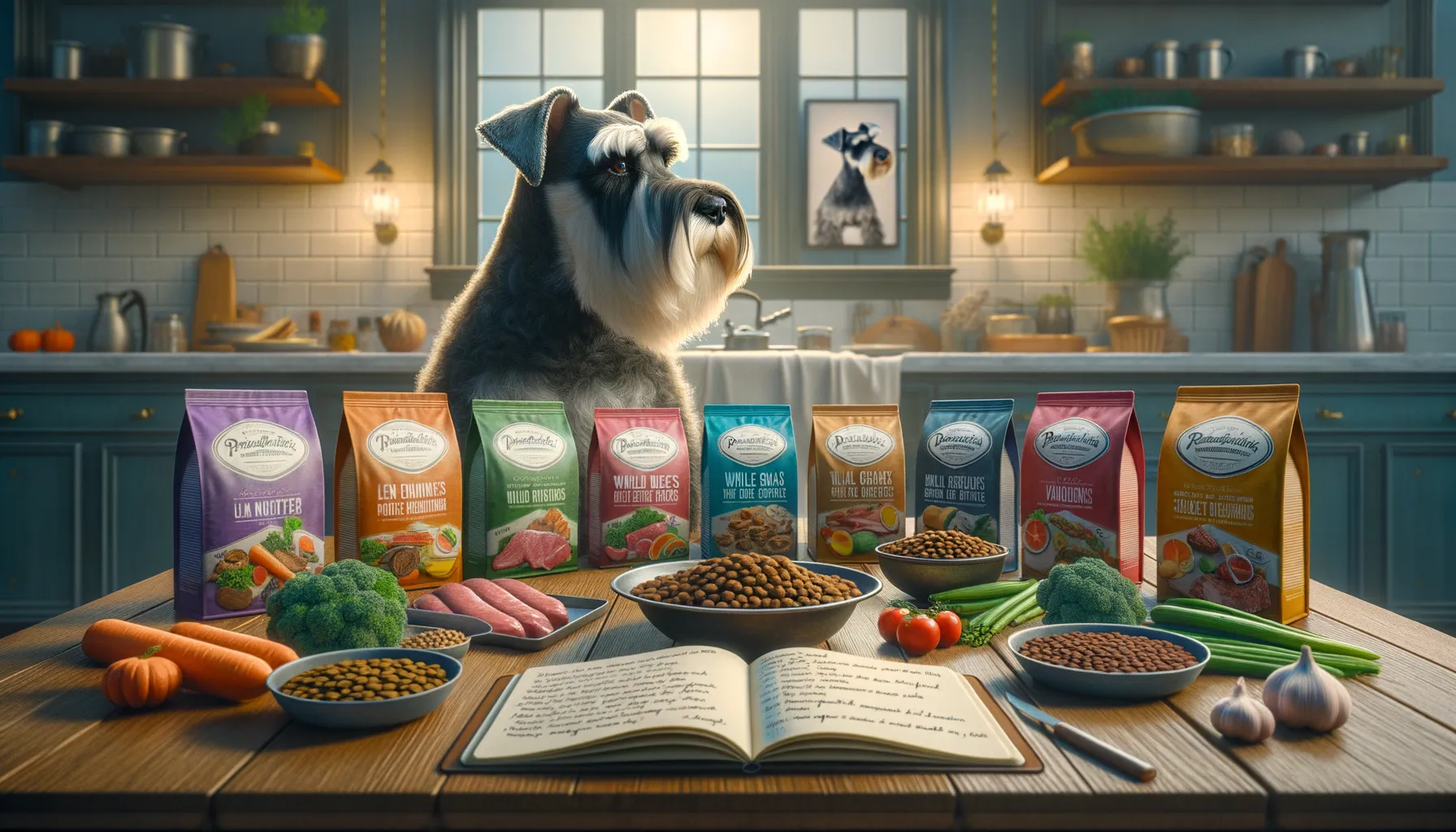
- Keep a food journal: Track meals, treats, and any allergy symptoms. This simple habit helped me connect my dog’s diet to changes in her skin and coat.
- Consult trusted sources: Your vet, groomer, and reputable pet nutrition websites are invaluable for tailored advice.
- Don’t forget taste: Schnauzers can be picky! Test Schnauzer dry kibble and Schnauzer wet food to see what your pup loves.
Remember, choosing the right food is a journey—stay observant, document changes, and don’t hesitate to ask for expert help.
Supplements & Extra TLC: Beyond the Bowl for Schnauzer Wellness
When it comes to Schnauzer wellness, the best dog food for Schnauzers is just the beginning. I discovered that adding targeted dog food supplements—like omega-3 fatty acids and probiotics for dogs—can make a world of difference, especially for allergy-prone pups. Within three weeks of drizzling fish oil over Max’s kibble, his coat became shinier and his itching nearly vanished. In fact, 81% of Schnauzer owners report fewer allergy flare-ups when using omega-3s!
Omega-3 fatty acids reduce inflammation, support skin and coat health, and boost the immune system—critical for Schnauzers with sensitive skin. Probiotics for dogs help balance digestion and can ease tummy troubles, especially if your Schnauzer is trying new foods or has a sensitive stomach. For older pups, joint supplements like glucosamine and chondroitin (often found in schnauzer senior dog food) help keep them active and loving their walks.
- Pros: Supplements target skin, digestion, and joint health—key areas for Schnauzer wellness.
- Cons: Quality and dosing can be tricky. Always consult your vet before adding new supplements.
‘Supplements round out your dog’s diet, especially for allergy-prone or aging pups.’ — Dr. Greg Sunvold, PhD
From my experience, a little extra TLC beyond the bowl—like a fish oil drizzle or daily probiotic—can help your Schnauzer thrive. Just remember, every pup is unique, so tailor your supplement choices and always check with your vet for the safest, most effective results.
Unraveling Food Labels: Schnauzer Owner’s Survival Guide (And the Weirdest Ingredient I Ever Found)
As a Schnauzer parent, I quickly learned that reading dog food labels is a survival skill—especially with schnauzer food allergies on the rise. Did you know over 75% of popular dog food brands include at least one common food allergen for Schnauzers? That’s why label literacy is crucial. The first step is to scan for clear, high-quality protein sources. Look for foods listing specific meats like “duck” or “salmon” as the first ingredient, not vague terms like “animal meal.” Simpler is safer: the fewer and more recognizable the ingredients, the lower the risk of hidden food allergens for Schnauzers.
But here’s where it gets tricky: sneaky additives and code names. I once caught “chicken meal” tucked inside a “beef” labeled treat—my Max is sensitive to chicken, so this label sleuthing saved him a nasty rash! Even allergy-safe brands can hide problem ingredients under different names, so always double-check. As Dr. Judy Morgan, DVM, wisely says:
‘If you can’t pronounce it, maybe don’t feed it.’Transparency empowers us to make the best choices, but I’ll admit, the jargon can be overwhelming at first. Still, with practice, you’ll spot the difference between nourishing schnauzer dry kibble and filler-packed imposters. Remember, careful label reading is your best defense against accidental exposure to allergens and ensures your Schnauzer’s food is as healthy as it is delicious.
TL;DR: The right food can transform your Schnauzer’s health, energy, and shine. Focus on allergy-friendly, balanced, high-quality ingredients, and don’t be shy about mixing things up as your pup ages. A happy Schnauzer starts with what’s in the bowl.