A few years ago, choosing dog food for my spirited Miniature Schnauzer, Max, was like decoding a secret menu—so many buzzwords, so many promises. Then, after a bout of dull fur and an ill-fated experiment with bargain kibble, I realized how crucial the right food is for his playful energy, shiny coat, and bouncy health. Schnauzers really aren’t one-size-fits-all in their dietary needs—from the feisty puppy years to the wise old gray phase. I’ve tested, tasted (well, Max has), and grilled vets, and now I’m sharing what actually worked for us—quirks, slip-ups, and all.
High-Protein, Whole Meats: The Foundation for Muscular Energy
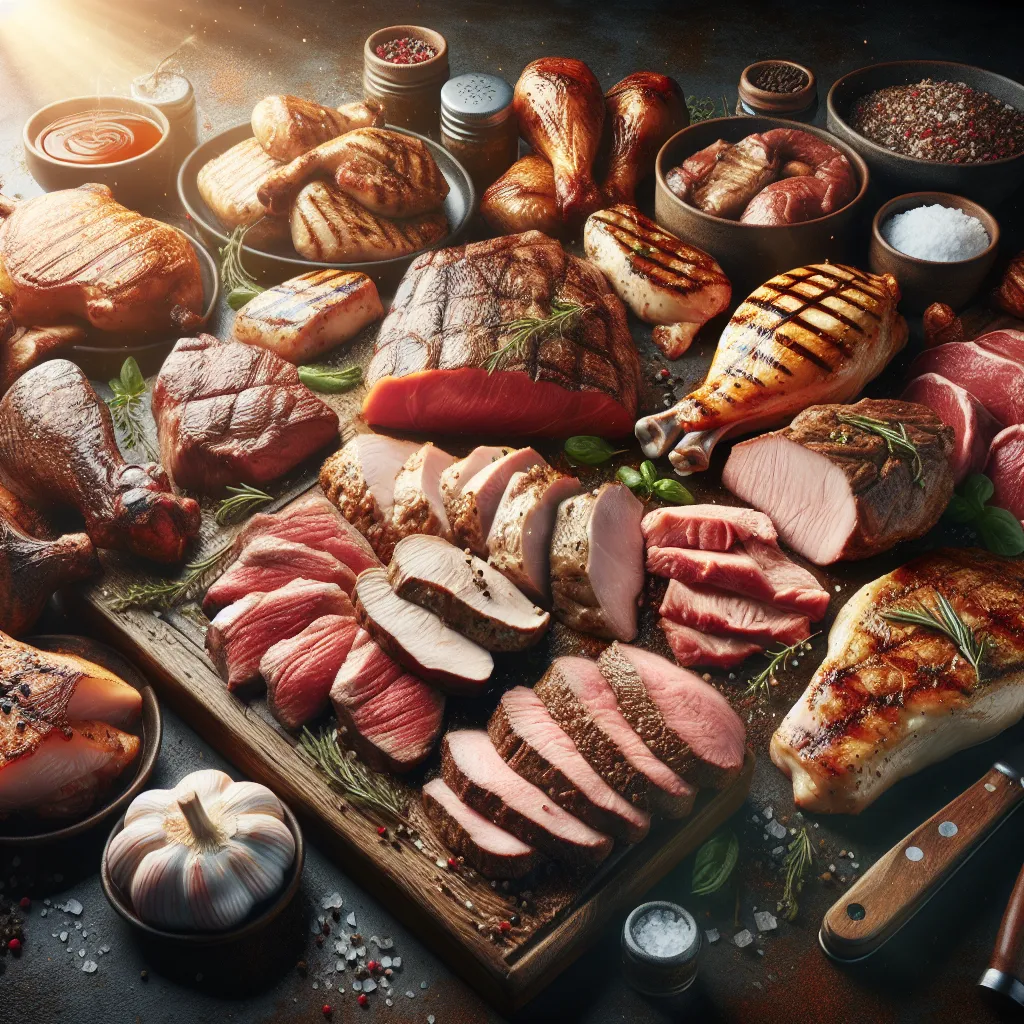
When searching for the best dog food for Schnauzers, I always look for high-protein dog food that lists whole meats—like chicken, beef, or fish—as the first ingredient. One top-rated pick in 2025 features a robust 25% protein content and skips fillers or by-products, making it ideal for Schnauzer protein requirements. This formula is also enriched with omega fatty acids from salmon oil, which are essential for a shiny coat and healthy skin.
Why does this matter? Schnauzers are energetic, playful, and always on the move. Their muscles need plenty of digestible, animal-based protein for maintenance and growth. According to experts, Schnauzers thrive on diets with 15-25% protein and 10-15% fat. As Dr. Lauren Atlas, DVM, says:
“When it comes to energy and a lush coat, nothing beats a solid protein source.”
- Benefits: Promotes lean muscle mass, supports energy, and enhances coat quality—perfect for active Schnauzers.
- Key Features: 25% protein, no fillers or by-products, added omega fatty acids for skin and joint health.
- Pros: Noticeable improvement in coat shine, muscle tone, and overall vitality.
- Cons: Premium price point; some picky eaters may need time to adjust.
For Schnauzer owners, prioritizing whole animal proteins over plant or by-product sources is a smart move for supporting your pup’s muscular energy and vibrant coat.
Grain-Free Goodness: Food Allergies, Sensitivities, and the Schnauzer Stomach Saga
When it comes to schnauzer grain free food, I’ve learned firsthand how important it is to avoid common allergens like wheat, corn, and soy. Many Schnauzers, including my own, develop sensitivities to these grains, which can lead to digestive upsets, itchy skin, and endless paw chewing. That’s why I’m spotlighting a top grain-free dog food recipe that swaps out grains for gentle, nutritious carbs like sweet potatoes and peas.
- Description: This grain-free formula uses sweet potatoes and peas instead of corn or wheat, providing steady energy without triggering schnauzer food allergens.
- Benefits: Reduces the risk of digestive issues and chronic scratching—perfect for allergy-prone Schnauzers. I noticed fewer tummy troubles and a shinier coat after switching.
- Key Features: No soy, wheat, or corn. Uses alternative carbohydrates for easy digestion and supports sensitive Schnauzer stomachs.
- Pros: Helps with chronic scratching, improves stool quality, and reduces bloating. Many owners (myself included) report happier, healthier pups.
- Cons: Grain-free dog food for Schnauzers can be pricier, and not all brands are created equal—watch out for fillers or “grain-free” gimmicks.
“Switching my Schnauzer to grain-free helped clear up months of paw chewing.” — Jennifer Miles, dog nutritionist
Research shows that grain-free dog food schnauzers thrive on sweet potatoes and peas as healthy alternatives. Always check labels to ensure you’re getting real quality, not just a trendy label.
The Curious Case of Kibble: Dry Food Pros, Cons, and Must-Know Upkeep
If you’re like me, juggling a busy schedule and a lively Schnauzer, dry kibble is probably your go-to. Premium schnauzer dry kibble brands are designed for convenience and health—making them a top pick for families on the move. One of the biggest perks? Dry kibble helps reduce tartar buildup, giving your Schnauzer that signature smile. As Victor Ramirez, a proud Schnauzer owner, says:
“Dry kibble keeps my Schnauzer’s teeth cleaner—and my floors, too.”
Most dry kibble for Schnauzers comes in crunchy, size-appropriate pieces, perfect for those famous Schnauzer whiskers and small jaws. Many blends are packed with vitamins and minerals tailored to your pup’s needs, whether you have a playful puppy or a wise senior.
- Pros: Easy to store, mess-free, and simple to measure for accurate feeding portions for Schnauzers (think 480–1500 calories daily, depending on age and activity).
- Cons: Some formulas can be too hard for older dogs—consider soaking kibble or choosing softer options for schnauzer senior dog food. Picky eaters may crave more variety or flavor.
Remember, not all kibble is created equal. Always check ingredient lists and avoid excessive fillers. Miniature Schnauzers (8–17 lbs.) usually do well with regular kibble, but seniors or sensitive pups might need a little extra care. With the right schnauzer dry food preference, you’ll keep your pup’s tail wagging and their coat shiny!
Puppy Power Ups: Nourishing Your Schnauzer’s First Year
When it comes to schnauzer puppy food, getting the first year right is everything. My top pick for puppy diet schnauzers is a premium, puppy-specific dry kibble packed with at least 22% protein, DHA for brain development, and small, easy-to-chew pieces. These features are essential for fueling rapid growth, supporting healthy cognition, and keeping your little one’s playful spirit at its peak.
Following a stepwise schnauzer puppy feeding schedule is key: start with four meals a day during weaning, then transition to three meals by three months old. Frequent meals help prevent low blood sugar and ensure steady growth—never skip a feed! As Dr. Mei-Li Zhao, veterinary nutritionist, says:
"The right start for a Schnauzer pup is a balanced, frequent feeding routine."
- Benefits: Fuels muscle and bone growth, sharpens the mind, and keeps energy high.
- Features: DHA for cognition, optimum protein-to-fat ratio, and gentle, digestible ingredients.
- Pros: Prevents nutrient gaps during fast growth; easy on sensitive puppy tummies.
- Cons: Managing multiple daily meals can be a challenge, and your pup will outgrow puppy formulas quickly—usually by their first birthday.
For schnauzer puppy food recommendations, always look for balanced calcium, digestible protein, and formulas made just for puppies. Remember, the right schnauzer puppy food and feeding schedule set the stage for a lifetime of health and happiness!
Golden Years Fare: Supporting Senior Schnauzer Wellbeing
As my Schnauzer entered his golden years, I quickly learned how vital the right schnauzer senior dog food is for his health and happiness. Senior formulas are specially crafted to address the slower metabolism and unique needs of aging Schnauzers. According to Dr. Roberta Clancy, veterinary geriatrician,
“Older Schnauzers thrive with foods that respect their slowing pace—think joint care and controlled calories.”
The best senior dog food options for Schnauzers feature:
- Reduced-calorie recipes (480–900 calories/day, depending on size) to help manage weight and avoid obesity-related issues like pancreatitis.
- Lower fat content (aim for around 10%) to match their slower metabolism.
- Joint support from added glucosamine and chondroitin, keeping those aging joints supple and comfortable.
- Antioxidant-rich ingredients and brain-boosting supplements to support cognitive health and fight age-related decline.
Benefits: These foods help maintain a healthy weight, minimize joint stiffness, and keep your Schnauzer’s mind sharp. Plus, the added nutrients mean more energy for those silver-whisker years.
Pros: Manages weight, reduces risk of pancreatitis, and supports joint and brain health.
Cons: Some seniors may not love the softer texture or new flavor profile, and it can be less palatable than their old favorites.
For Schnauzer health conditions common in seniors—like joint issues and cognitive decline—choosing the right schnauzer senior dog food is a loving, proactive step.
Wet Food Wonders: When a Little Softness Makes a Big Difference
If you’ve ever struggled to tempt your Schnauzer to eat, especially as they age or face dental issues, schnauzer wet food can be a true lifesaver. While dry kibble is often the go-to, I’ve found that a premium wet food option brings a whole new level of excitement to mealtime—especially for picky eaters, seniors, or pups recovering from illness.
- Description: Wet food for Schnauzers is all about a moist, meaty texture with real, visible ingredients—think chunks of chicken, beef, or veggies, minus the artificial gunk.
- Benefits: The softer texture is gentle on sensitive mouths and aging teeth. Plus, it’s highly palatable and naturally boosts hydration, which is crucial for Schnauzers who might not drink enough water.
- Features: Look for recipes with whole meats, no by-products, and added vitamins. Many top picks are grain-free, catering to common Schnauzer sensitivities.
Pros:
- Enticing aroma and taste—perfect for under-the-weather pups.
- Easy to mix with schnauzer dry kibble for fussy eaters.
Cons:
- Can get messy, especially with that iconic Schnauzer beard!
- Generally pricier than kibble.
“Wet food was the magic solution for my old boy’s stubborn appetite.” — Charlotte Grayson, Schnauzer lover
While schnauzer wet food may require a bit more cleanup, its benefits for sensitive, senior, or picky Schnauzers make it a pantry essential in my home.
Homemade Happiness: Taking Schnauzer Cuisine Into Your Own Hands
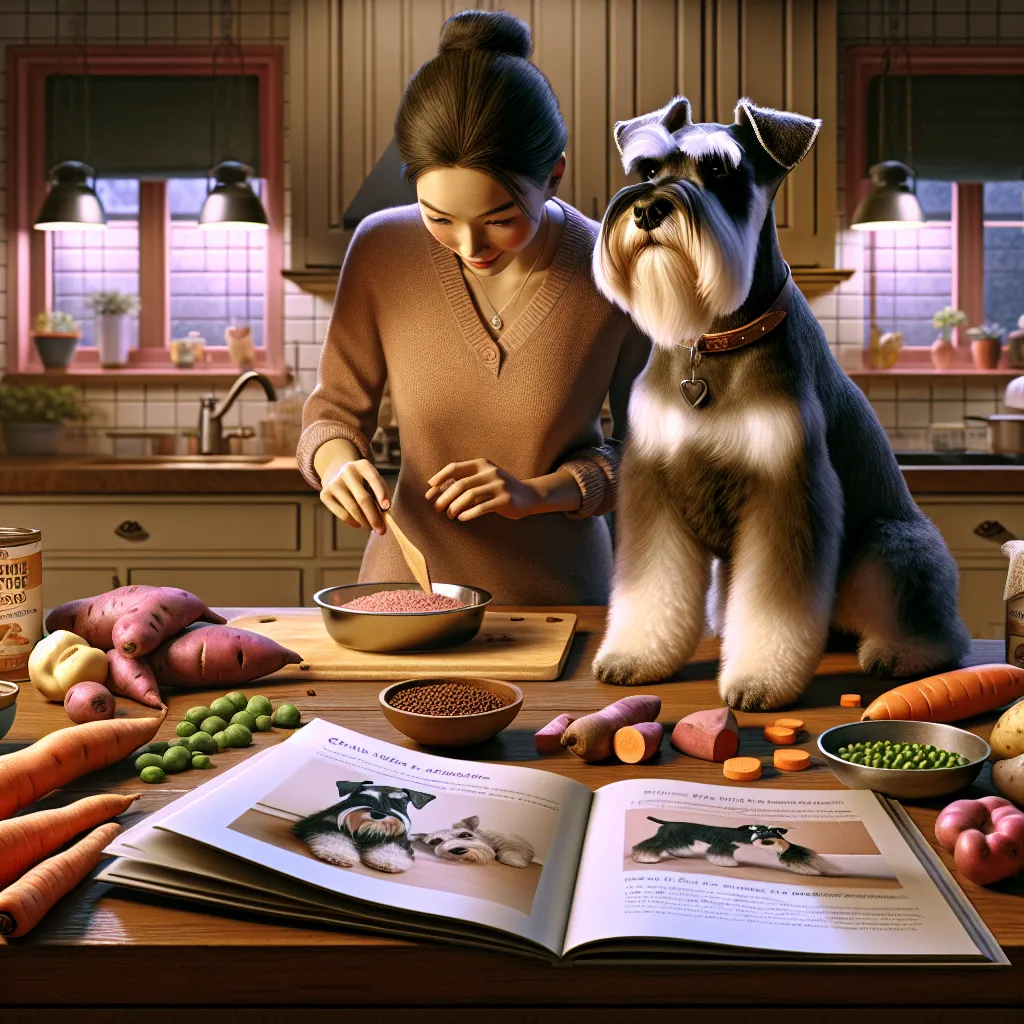
There’s something special about preparing a homemade diet for Schnauzers—especially when you see that eager face waiting by your side. Crafting balanced Schnauzer meals at home gives you total control over every ingredient, making it a smart choice for pups with allergies or sensitive stomachs. You can personalize nutrition, avoid commercial additives, and even tailor recipes to your Schnauzer’s unique dietary requirements.
- Description: Beginner-friendly approach to creating balanced, homemade meals that meet Schnauzer dietary requirements.
- Benefits: Manage allergies, pinpoint food sensitivities, and adjust protein sources for your Schnauzer’s needs. Great for owners who want to know exactly what’s in their dog’s bowl.
- Features: Customizable recipes, whole food focus, and the option to skip fillers or artificial ingredients found in some schnauzer dry kibble or schnauzer wet food.
Pros: You can identify and avoid allergens, offer endless variety, and enjoy bonding time during meal prep. Plus, it’s rewarding to see your Schnauzer thrive on a diet you’ve tailored just for them.
Cons: Homemade diets are time-consuming and require careful planning. Without guidance from a vet or canine nutritionist, there’s a risk of missing key nutrients. As Dr. Harris Lin, canine nutritionist, says:
“A homemade meal for a Schnauzer can be pure love—just don’t wing it on nutrition.”
Balance is everything: protein, fat, carbs, fiber, vitamins, and minerals must be in the right ratios. Always consult your vet before making homemade food your Schnauzer’s main diet.
Buyer’s Guide: The Schnauzer Food-Finding Adventure
Choosing dog food for Schnauzers is truly an adventure—one that can transform your pup’s energy, coat, and happiness. I’ve learned that Schnauzer dietary needs shift with age, size, and lifestyle. Puppies need extra calories and protein for growth, while seniors thrive on lower-calorie, joint-supporting formulas. Miniature, Standard, or Giant, each Schnauzer’s calorie requirements range from about 480 to 1500 per day, so always check your dog’s weight and activity level before filling their bowl.
Spotting signs that your Schnauzer’s food isn’t working is key: a dull coat, restless nights, or smelly stools mean it’s time for a change. When choosing the best dog food for Schnauzers, I always scan labels for whole meats as the first ingredient, balanced fat (10-15%), and fiber (around 6%). Avoid unpronounceable fillers and mystery additives—your Schnauzer deserves better! Overfeeding is a sneaky problem; Schnauzer chonk is real, so measure portions and adjust as your dog ages or slows down.
Don’t forget healthy add-ons: omega oils boost coat shine, fiber aids digestion, and vet-approved treats keep things fun. If your Schnauzer has allergies, consider schnauzer grain free food or a schnauzer homemade diet. As Dr. Rina Patel says,
“Each Schnauzer is an individual—what fuels one dog’s zoomies puts another to sleep.”Watch your dog’s reactions, consult your vet, and tweak as needed. With a little attention, you’ll find the perfect schnauzer puppy food, schnauzer senior dog food, or schnauzer wet food for your best friend’s healthiest year yet.
TL;DR: Feeding your Schnauzer right is part science, part love, and totally worth the effort—a nourished Schnauzer is a happy, energetic companion. Use my real-world advice and picks to guide your next bowlful, and don’t forget to add your own spin for your unique pup.